



What’s Iterative And Incremental Development?
In distinction, the incremental mannequin is extra inflexible because iterative development definition the group can only make changes at the ultimate stage of the development course of. The areas of improvement become clear after the customer review, and high quality assurance testing phases begin. In the next years, there was further improvement on this strategy.

Stage 1: Information Collection And Preprocessing
The iterative methodology is cyclical, which means https://www.globalcloudteam.com/ every iteration contains planning, design, growth and testing activities. Further, all these actions or phases are repeated as features are added individually in every iteration to add to the product or improve its functionality. The end of every iteration results in a working product with a more superior functionality in comparability with the product of the earlier iteration. Many software program and net applications rely on the iterative growth course of as a end result of it offers builders extra flexibility. Typically, the system growth life cycle (SDLC) uses iterative development alongside incremental development.

Iterative And Incremental Development: Step By Step
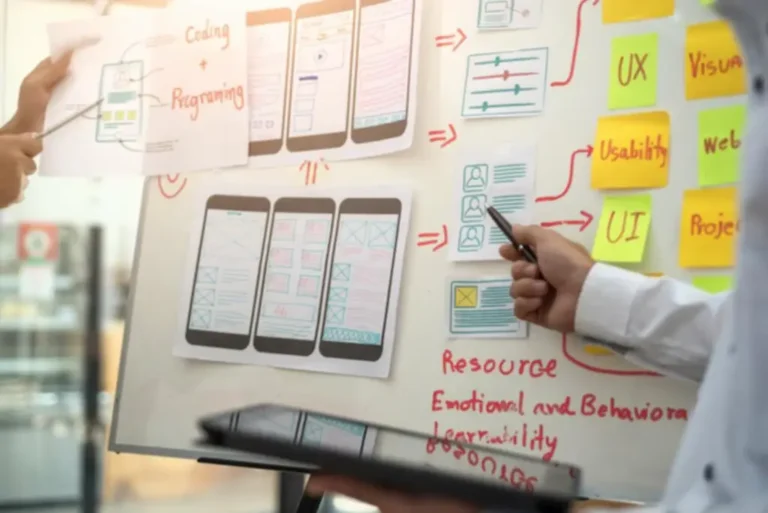
At each stage, a choice is made irrespective of the result being saved or thrown away for the following cycle. Otherwise often recognized as Sprints, that are time-limited and are used to check with shorter growth cycles. The cell and net development industry is advancing at a quick pace, with new tools and strategies being made out there to builders to create better functions.
What’s The Iterative Design Process?
The iterative course of involves a continuous cycle of planning, analysis, implementation, and analysis. Each cycle produces a segment of improvement that forms the idea for the following cycle of iterative improvement. The iterative process mannequin is a cyclical course of by which you make and check incremental changes. It is popular in technology, engineering, software program development, design, qualitative research, project administration, and different industries. The iterative course of is simply a series of steps that you simply repeat, tweaking and enhancing your product with each cycle. For instance, some advertising teams may take a look at different advertising copy to see which one gets better engagement, or ship out two variations of an email publication to check click-through charges.
Deliver Higher Software Sooner With Plutora

In this course of, the algorithm takes feedback on the primary iteration and refines itself accordingly. Once the model is refined, its output becomes extra correct, which helps prepare the system to know what is expected in real-world situations. This iterative process ensures that the mannequin is aligned with its intended purpose. It additionally compels you to rethink, reshape, and improve the model’s capabilities to make it more practical. This weblog post will explore ML model iteration, the phases, challenges, and greatest practices that will assist you build a futuristic and well-crafted AI product.
Perfect Eventualities For Iterative Development
- The iterative mannequin is a software program growth strategy that includes breaking a project into small, manageable iterations.
- It also allows the event group to concentrate on one a part of the project at a time, shielding them from business points that could divert or distract them.
- This ensures that your mannequin can successfully handle real-world complexities and variations.
- The iterative enhancement model encourages a software program product’s ongoing evolution and improvement.
- These cycles or iterations (also known as sprints) give the idea its name.
The model also needs to be tracked towards key metrics to gauge its outcome and suggest enhancements. On an IT project, code scanners can check that agreed coding requirements have been adopted. This can be significantly helpful for initially checking security features of a solution. Static verification includes inspecting a deliverable in opposition to its acceptance standards or agreed good practice. The benefit of this kind of verification is that it’s primarily based on remark alone and so couldn’t trigger harm to the product being inspected.Some gadgets can solely be statically verified.

Iterative Waterfall Mannequin – Software Engineering
Once you complete the first cycle, this work phase types the following chunk of the project. Whether you’re developing software, designing an web site, or refining a recipe, you probably rely on an iterative course of. The iterative course of begins with requirements or assumptions that kind the bottom of the project. In essence, you create the primary product, take a look at it, and revise for the following version. Many engineering teams use the iterative process to develop new options, implement bug fixes, or A/B check new methods. Often, an engineering group will create a number of iterations that they suppose are equally promising, then take a look at them with users.
When To Make Use Of The Iterative Method
ML models observe an approach the place info is processed and reprocessed till the desired consequence is reached. In unforeseen events, your group can adapt to the model new place through the next iteration. Your team can make the most of the whole budget on one iteration, so any additional prices will be for slight alterations or modifications when the scope is correctly estimated and managed.
Overall, the Iterative mannequin is an important methodology for software growth right now. It offers a flexible, collaborative, and adaptive framework for managing complex tasks and delivering high-quality software. In the iterative mannequin, growth begins with a small set of necessities for a small section of the project, rather than a whole listing for the whole project. The team designs, develops, checks, and refines the code in repeated cycles. They can add more options in subsequent cycles until the whole software utility is ready to go to market.
Once the info is refined, the following step is to choose on the suitable model for preliminary training. In this stage, the algorithm takes its first steps toward learning by using the curated data to determine an preliminary model of the mannequin. This phase is of utmost importance and requires a number of revisions till the blueprint of the ML model is finalized. Where the DSDM structured timebox is used (Chapter thirteen.3), the detailed work on acceptance standards takes place primarily in the Investigation step.
